Silica Sleeve Buyer’s Guide: How to Choose the Right High Temperature Protection
December 21 , 2025
Why Choosing the Right Silica Sleeve Matters
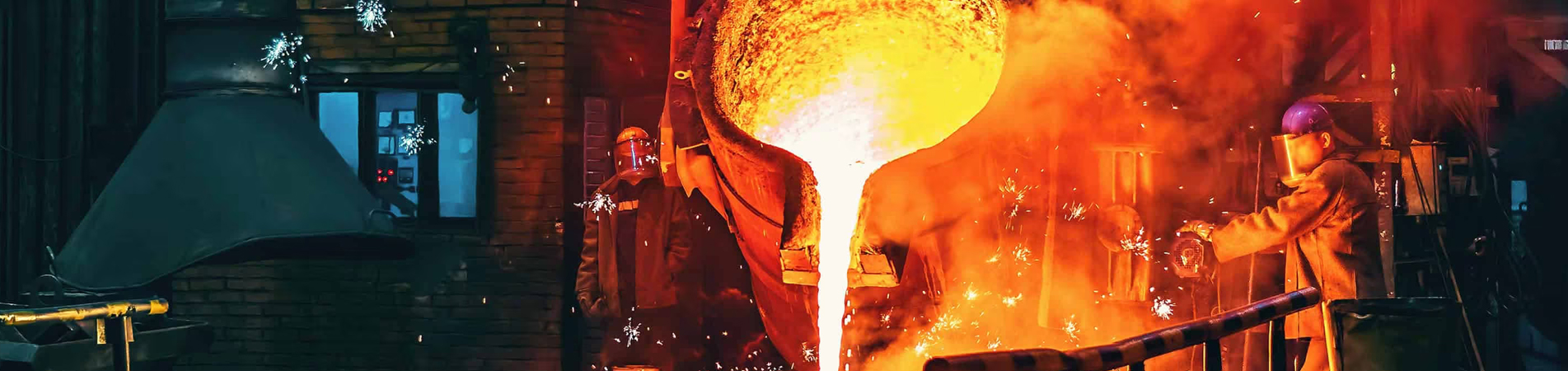
In high-temperature industrial environments, selecting the correct protective material is not only a performance decision but also a safety-critical one. A silica sleeve is often used to protect hoses, cables, and pipes exposed to extreme heat, flame, or molten metal splash. However, not all silica sleeves are the same.
This buyer’s guide is designed to help engineers, maintenance teams, and procurement professionals understand what to look for when selecting a silica sleeve for demanding applications.
Understanding Your Application Requirements
Before choosing a silica sleeve, it is essential to clearly define the operating conditions. Different applications place different demands on thermal protection materials.
Key questions to consider include:
What is the maximum operating temperature?
Is there exposure to open flame or molten metal?
Will the sleeve experience continuous heat or intermittent exposure?
Is flexibility required due to hose or cable movement?
A proper understanding of these factors ensures the selected silica sleeve performs reliably over time.
Temperature Rating and Heat Exposure
One of the most important selection criteria is temperature capability. A silica sleeve is designed for environments where temperatures exceed the limits of fiberglass or basalt protection.
For applications involving extreme radiant heat or direct flame contact, selecting a high-purity silica sleeve ensures thermal stability and reduces the risk of material failure.
Material Quality and Fiber Composition
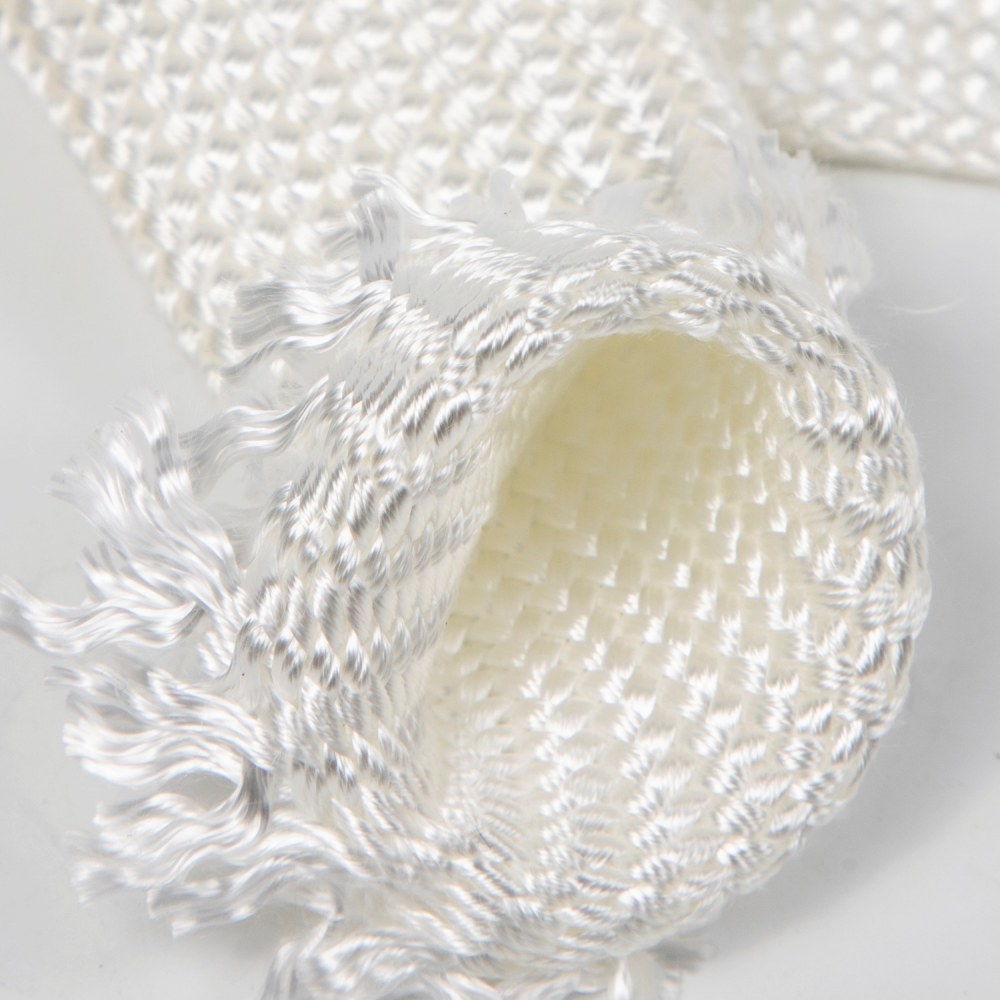
Silica sleeves are manufactured from silica fibers with high silicon dioxide (SiO₂) content. Higher purity levels generally provide better heat resistance and fire performance.
When evaluating suppliers, it is important to confirm fiber composition, manufacturing consistency, and quality control processes to ensure long-term reliability in high-temperature environments.
Sleeve Thickness and Insulation Performance
Thickness plays a direct role in thermal insulation performance. Thicker silica sleeves typically offer better heat reduction but may require more installation space.
Selecting the appropriate thickness involves balancing insulation needs with available clearance and flexibility requirements. For confined spaces, a thinner yet high-quality silica sleeve may be the optimal solution.
Flexibility and Mechanical Durability
Despite operating in extreme heat, a silica sleeve must remain flexible to accommodate hose movement, vibration, and thermal expansion. Poor flexibility can lead to installation difficulties or mechanical stress on the protected component.
High-quality silica sleeves maintain flexibility while resisting abrasion and mechanical wear, even under repeated heat cycling.
Installation and Fit Considerations
Proper sizing is critical for effective protection. A silica sleeve should fit securely over the hose or cable without excessive looseness or compression.
Installation methods may include sliding the sleeve over the component and securing the ends using clamps, bands, or ties suitable for high-temperature environments. Easy installation reduces downtime and simplifies maintenance procedures.
Environmental and Safety Factors
In certain environments, additional factors may influence selection, such as exposure to moisture, chemicals, or outdoor conditions. While silica sleeves excel in heat resistance, protective coatings or additional layers may be recommended for harsh environmental exposure.
From a safety perspective, using a non-combustible silica sleeve helps reduce fire risk and supports compliance with industrial safety standards.
Cost vs Long-Term Value
While a silica sleeve may have a higher initial cost compared to standard thermal protection materials, it often delivers greater long-term value. Extended service life, reduced maintenance, and improved safety can significantly lower total operating costs over time.
Choosing the right silica sleeve is an investment in reliability rather than a short-term expense.
Selecting a Reliable Silica Sleeve Supplier
When sourcing a silica sleeve, consider suppliers with proven experience in high-temperature protection solutions. Key factors include technical support, customization capability, consistent product quality, and the ability to meet industry-specific requirements.
A knowledgeable supplier can assist in selecting the correct sleeve specification for your application.
Selecting the right silica sleeve requires careful consideration of temperature exposure, material quality, flexibility, and installation requirements. By understanding these key factors, buyers can ensure reliable thermal protection, improved safety, and long-term performance in extreme heat environments.
For more information on silica sleeve specifications and application support, visit www.silicasleeve.com