Silica Sleeve
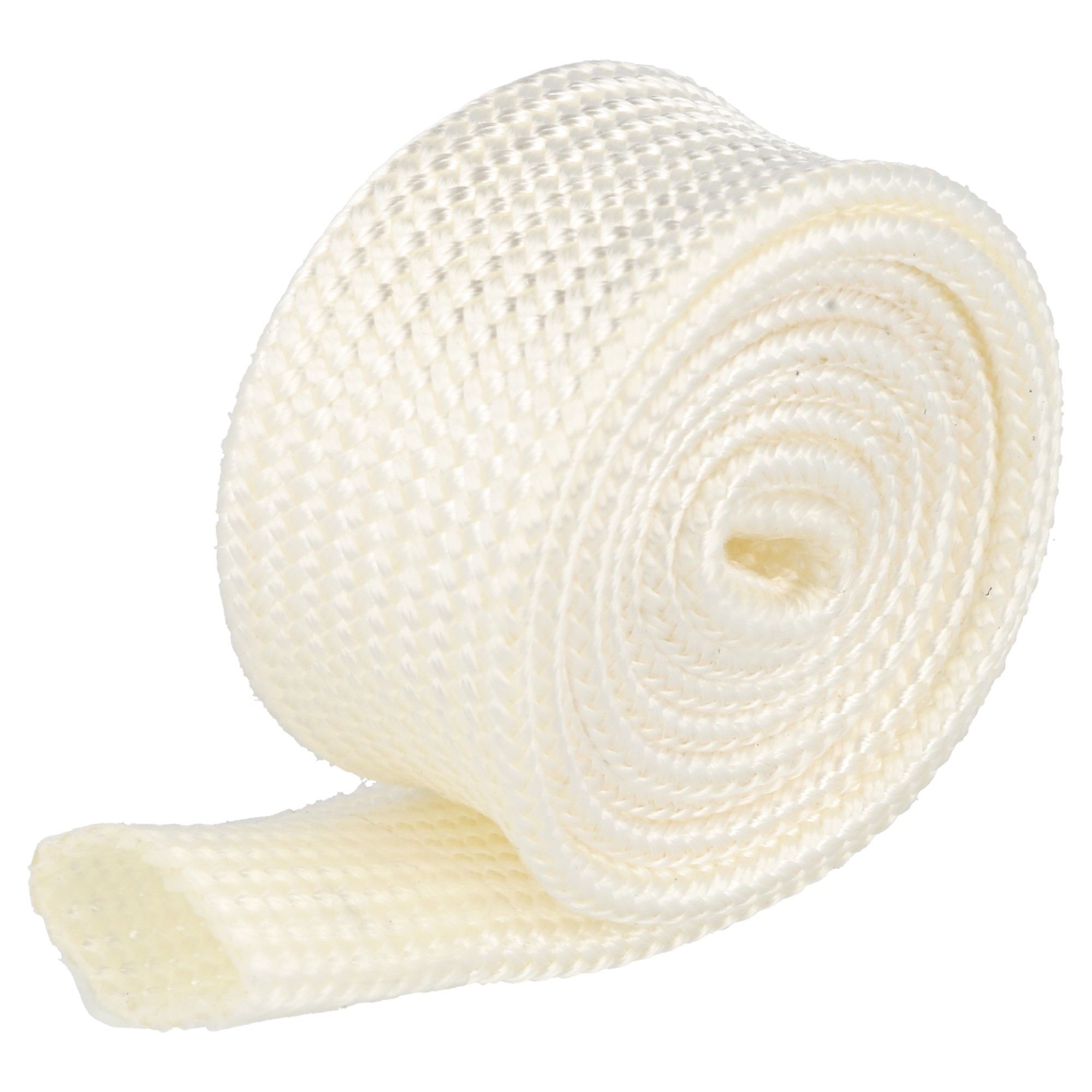
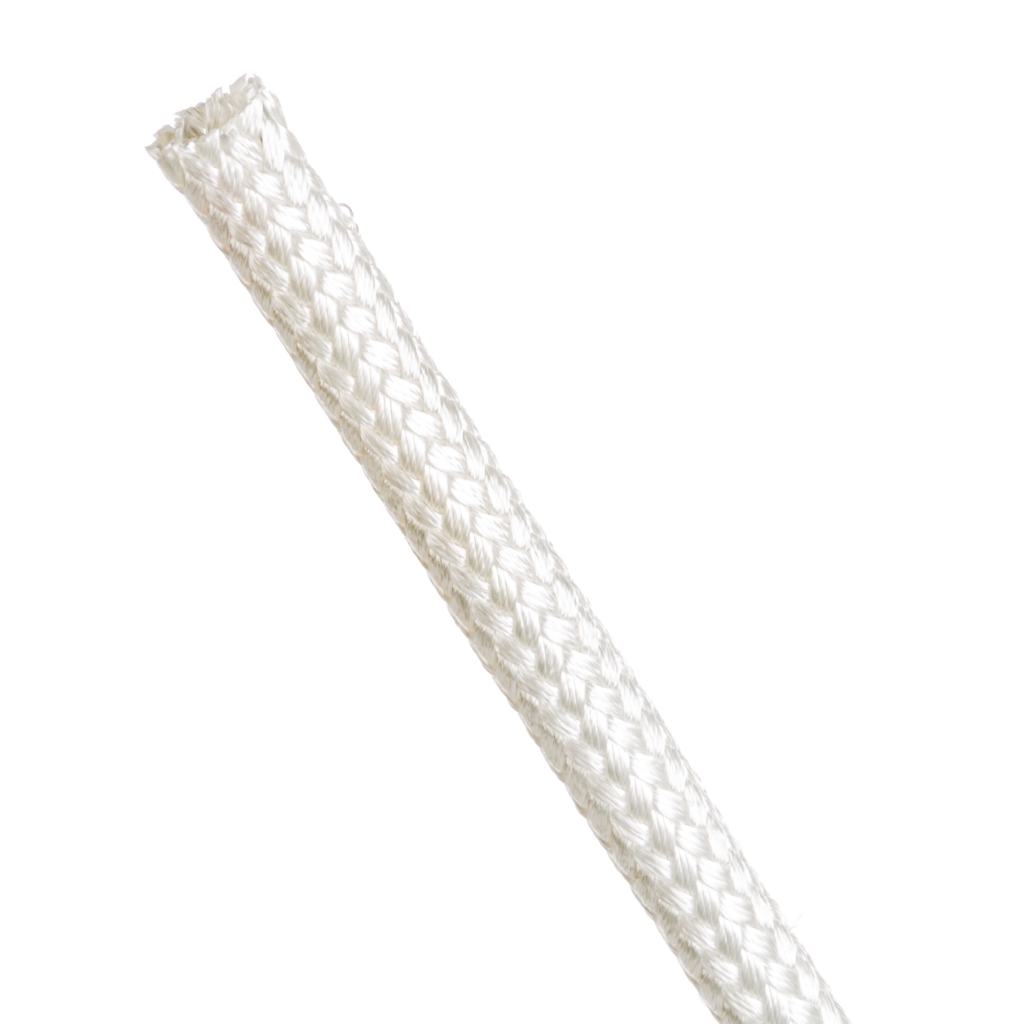
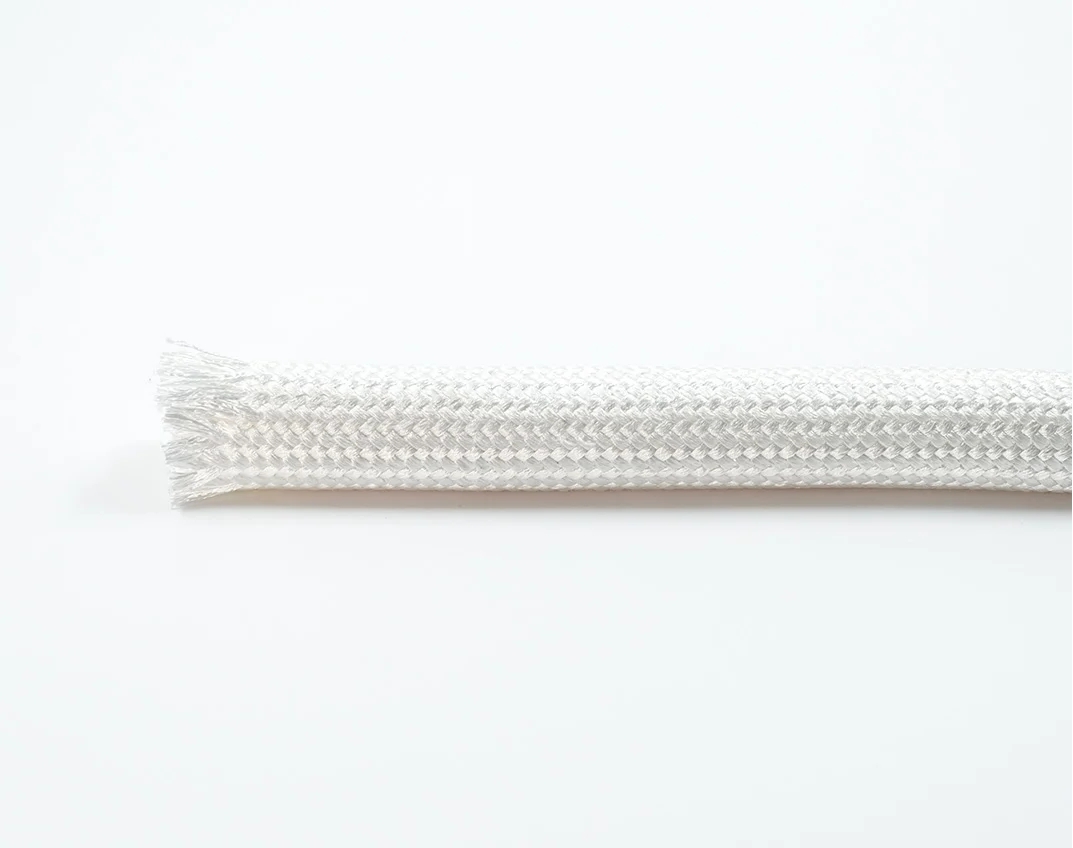
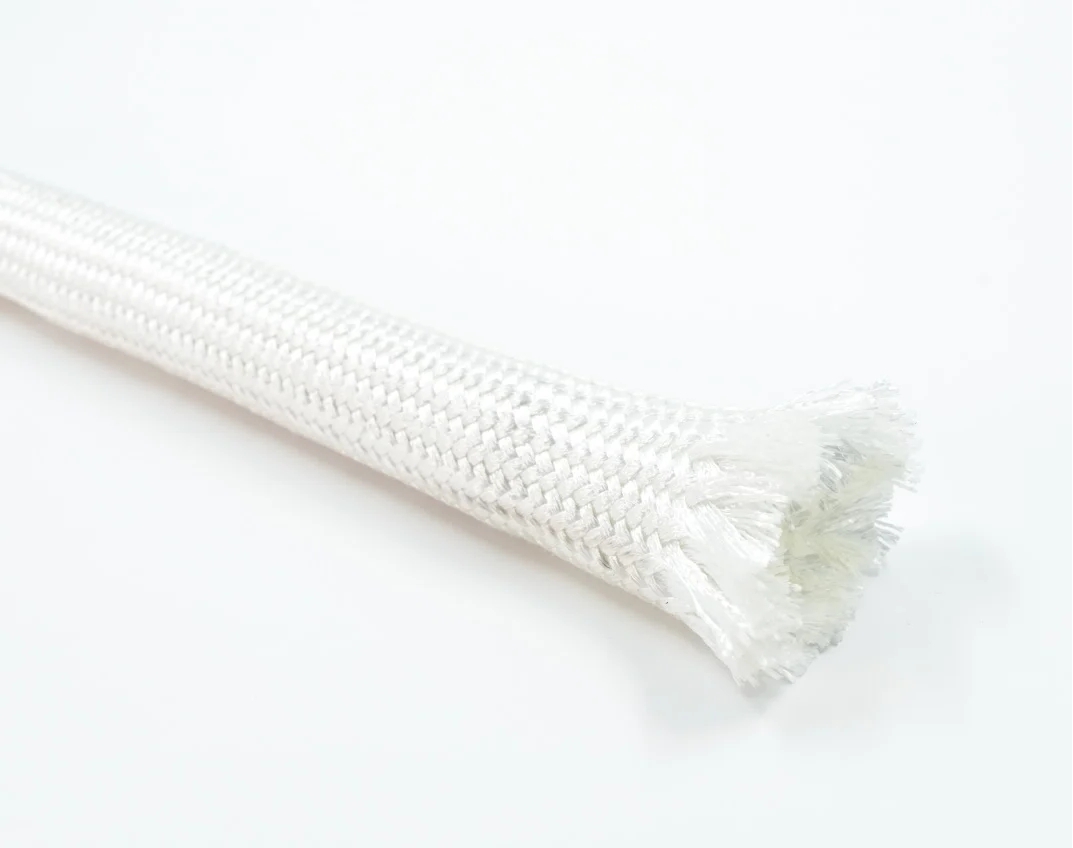
A silica sleeve is a flexible high-temperature textile sleeve used to protect hoses, hydraulic lines, cables, wires, pipes and other components exposed to severe heat. Manufactured from silica-based fiber yarns and formed into a tubular structure, silica sleeving provides thermal separation between a heat source and the component that must remain protected.
BSTFLEX supplies silica sleeves for applications where conventional fiberglass sleeving may no longer provide the required temperature capability. Depending on construction, the sleeve can be braided for mechanical stability and installation flexibility or manufactured from texturized silica yarn where greater insulation volume is required.
Typical installations are found around exhaust components, industrial furnaces, foundry equipment, hot piping, hydraulic systems, electrical cables and machinery operating close to intense radiant or contact heat.
Our silica sleeve range includes:

Silica sleeve is a tubular thermal protection material made from silica-rich fibers. Instead of functioning as a rigid heat shield, the sleeve follows the shape of the hose, cable, wire or pipe underneath it.
This makes it particularly useful where components:
pass close to exhaust pipes or other hot surfaces
run through confined engine or machinery compartments
are exposed to furnace or process heat
cannot easily be protected with rigid metal shielding
require a removable or flexible layer of thermal insulation
have bends, joints or routing changes along their length
The textile construction also makes silica sleeving easier to route around complex assemblies than many rigid insulation products.
The exact performance of a silica sleeve depends on the silica content, yarn construction, braiding density, wall thickness, sleeve diameter and the actual form of heat exposure.
For engineering selection, temperature should therefore never be considered as a single number alone. Continuous heat, short-duration exposure, radiant heat and direct surface contact impose different demands on the insulation system.
Standard glass fiber is widely used in industrial thermal insulation, but applications closer to extreme heat frequently require materials with greater temperature capability.
High silica fiber is produced to contain a substantially higher proportion of silica than conventional E-glass reinforcement. This makes a high silica sleeve particularly useful around components that operate close to furnaces, exhaust systems, hot process equipment and other severe thermal sources.
The material also has several practical advantages for sleeve construction.
It can be converted into yarn, braided into flexible tubing and manufactured into different wall structures. The resulting silica fiber sleeve can protect components without adding the bulk associated with many rigid thermal barriers.
Depending on the application, the protection mechanism may include:
reducing direct heat transfer
providing separation from hot surfaces
slowing temperature rise in the protected component
reducing exposure to radiant heat
creating an additional sacrificial thermal layer
protecting the underlying hose, wire or cable from localized heat sources
A sleeve should nevertheless be selected according to the actual installation rather than solely according to the fiber type.
There is no single construction suitable for every thermal application.
BSTFLEX manufactures different types of high temperature silica sleeve so the sleeve structure can be matched to the required flexibility, insulation thickness and mechanical environment.
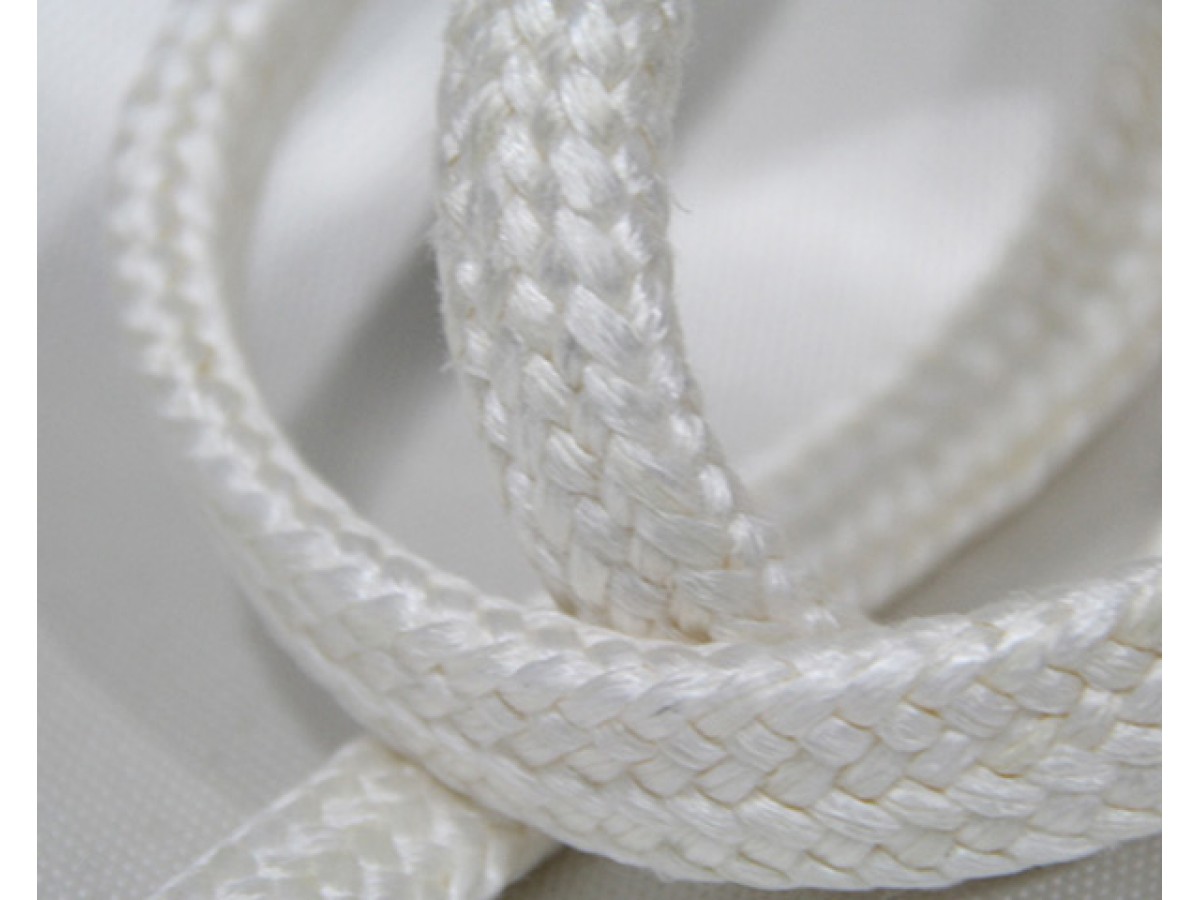
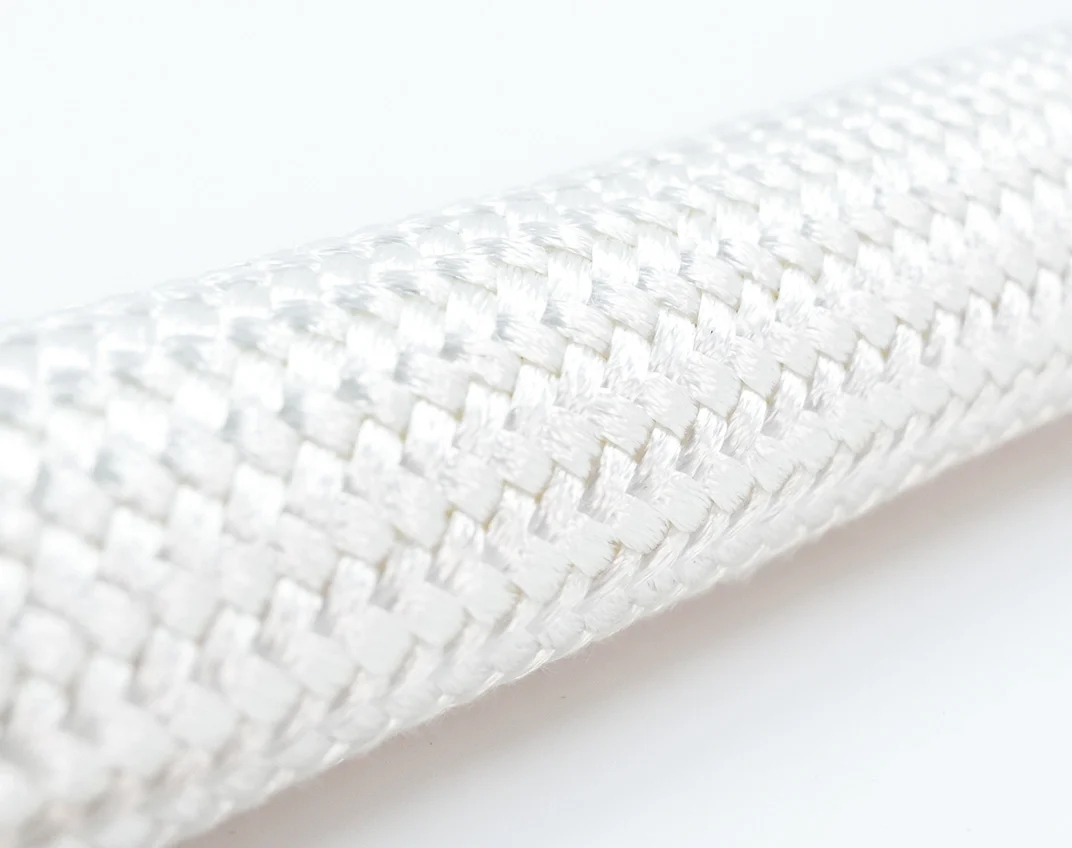
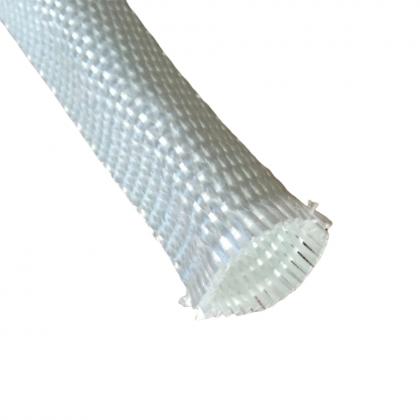
A braided silica sleeve is formed by interlacing silica yarn around a tubular axis.
The braided structure provides a useful combination of flexibility and dimensional stability. It can conform to bends in hoses and cable assemblies while remaining compact enough for installations where available space is limited.
Braiding also helps distribute mechanical loads through the sleeve structure.
This construction is frequently selected for:
hydraulic hoses
fuel and fluid lines
electrical cable
wiring
sensor lines
exhaust-related components
engine compartments
industrial pipe
high-temperature machinery
For applications requiring this type of construction, see our High Temperature Resistant Braided Silica Sleeve.
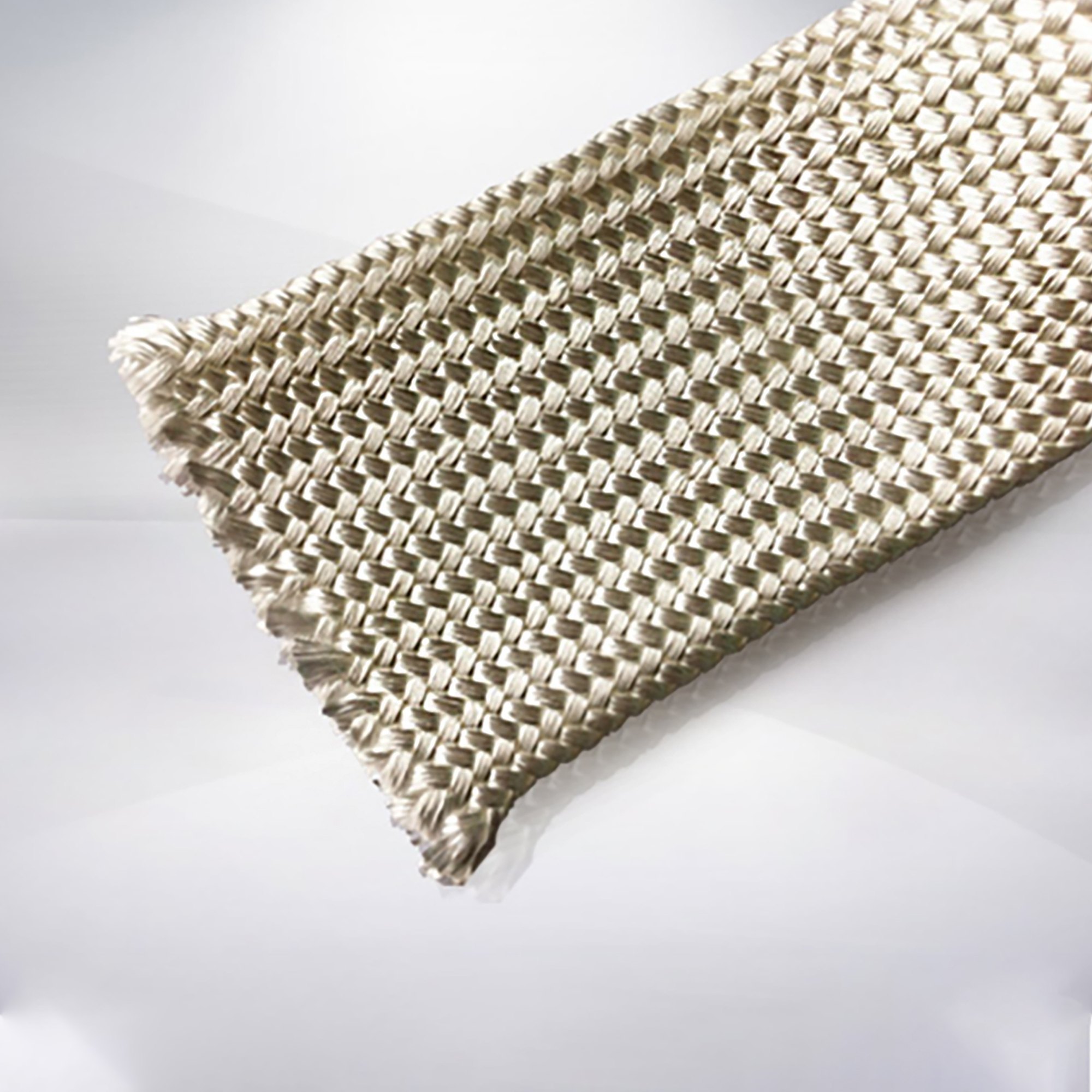
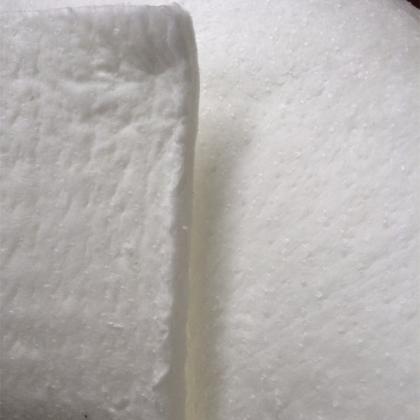
Texturized silica yarn has a bulkier fiber structure than a compact continuous yarn.
That additional volume creates more trapped air within the textile structure, which can be useful where insulation performance is a greater priority than minimum outside diameter.
A texturized silica sleeve is therefore commonly considered for heat insulation around pipes, hoses and cables exposed to sustained thermal loads.
For this construction, see the Heat Insulation Texturized Silica Sleeve.

Both products are based on silica fiber, but they should not automatically be treated as interchangeable.
| Requirement | Braided Silica Sleeve | Texturized Silica Sleeve |
|---|---|---|
| Structure | Interlaced braided yarn | Bulked texturized yarn |
| Flexibility | High | High |
| Dimensional stability | Very good | Depends on construction |
| Insulation volume | Moderate to high | Typically higher |
| Compact installation | Very suitable | Depends on wall thickness |
| Hose and cable routing | Excellent | Excellent where space permits |
| Pipe insulation | Suitable | Particularly useful |
| Mechanical handling | Strong braided structure | Focused more heavily on insulation |
| Custom diameter | Available | Available |
The correct selection depends on the heat source, available installation space, sleeve diameter, desired insulation thickness and whether the component is stationary or subject to movement.
Hoses operating close to high-temperature equipment can deteriorate even when the fluid temperature inside the hose remains within specification.
External radiant heat may raise the temperature of the hose cover and reinforcement. Repeated thermal cycling can then accelerate aging of elastomers, coverings and surrounding components.
Installing a silica sleeve for hose protection provides an additional thermal barrier around the hose.
Applications can include:
coolant hose
oil hose
fuel lines
process hoses
pneumatic lines
high-temperature fluid lines
industrial hose assemblies
hoses routed near exhaust equipment
The sleeve should be sized so it can be installed without excessive compression while avoiding unnecessary looseness.
For assemblies with couplings or fittings already installed, the fitting outside diameter must also be considered when determining the required sleeve size.
Hydraulic hoses are often routed through areas where both heat and mechanical exposure are present.
Examples include:
steel processing machinery
foundry equipment
mobile construction equipment
engine compartments
industrial presses
mining equipment
furnaces
casting machinery
A hydraulic hose positioned close to a hot manifold, furnace wall or molten-metal process may require protection beyond the standard hose cover.
A silica sleeve for hydraulic hose helps isolate the hose from external thermal loads while retaining the flexibility required for routing.
When choosing the sleeve, the engineer should consider more than the nominal hose inside diameter.
Relevant dimensions include:
hose outside diameter
fitting outside diameter
coupling geometry
bend radius
available installation clearance
required overlap at termination points
Where molten splash is also present, the complete protection system should be evaluated for that hazard rather than assuming that temperature resistance alone provides sufficient splash protection.
Electrical wiring and control cables can be particularly vulnerable to localized thermal damage.
Cable insulation may soften, embrittle or age prematurely when routed beside engines, exhaust pipes, furnaces, heaters or process equipment.
A silica cable sleeve creates a high-temperature textile barrier around the cable bundle.
Common installations include:
power cables
control wiring
sensor cables
thermocouple leads
automotive wiring
industrial electrical harnesses
furnace instrumentation
generator wiring
For small cable bundles, a compact braided construction can provide protection without excessive bulk.
Larger cable bundles may require increased sleeve diameter or a customized construction.
Hot pipes create both contact heat and radiant heat around nearby equipment.
A silica insulation sleeve can be installed over appropriate pipe sections where flexible insulation is preferred to a rigid cover.
Typical applications include:
exhaust piping
process pipe
laboratory equipment
furnace connections
heat-treatment systems
engine tubing
generator piping
The thermal result depends strongly on the pipe surface temperature, sleeve wall thickness, airflow and whether the sleeve is installed directly against the pipe or with an air gap.
For this reason, the operating environment should be supplied when requesting a custom recommendation.
Exhaust systems are among the most demanding environments for flexible thermal protection.
Exhaust pipes and manifolds generate substantial surface and radiant heat. Components positioned nearby may include hoses, wiring, sensors, body panels, hydraulic lines and electronic equipment.
A silica sleeve for exhaust applications can be used either to protect a nearby component or, where the construction is appropriate, as part of an exhaust insulation system.
Potential applications include:
automotive exhaust systems
engine exhaust piping
diesel generators
industrial engines
marine machinery
exhaust-adjacent wiring
exhaust-adjacent hydraulic hoses
hot gas piping
The correct solution depends on whether the sleeve will be placed directly over the exhaust pipe or over the component requiring protection.
These are two different thermal problems and should not be specified in the same way.
When silica sleeving is installed directly around a hot pipe, the primary objective is usually thermal containment.
Important parameters include pipe temperature, sleeve thickness, airflow, vibration and desired external surface temperature.
When the sleeve is installed around a hose or cable located beside an exhaust pipe, the objective changes.
The sleeve must reduce the thermal load reaching the protected component.
Distance from the exhaust surface, radiant exposure, air movement and surrounding shielding become important design variables.
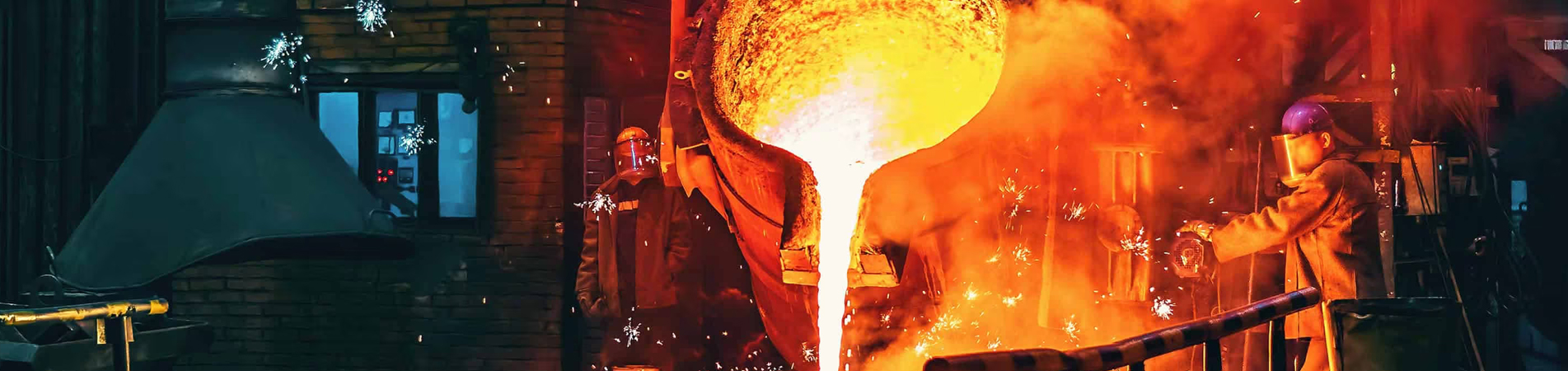
Foundries expose hoses, cables and machinery to some of the most severe industrial thermal conditions.
Heat may originate from:
furnaces
crucibles
molten-metal transfer
casting equipment
hot molds
radiant process heat
A high silica fiber sleeve can be incorporated into protection systems for hoses and cables operating near these heat sources.
However, engineers should distinguish between high-temperature resistance and molten-metal splash resistance.
Those are related but not identical performance requirements.
Where direct molten splash is expected, the sleeve construction and any surface treatment must be selected specifically for the metal type, temperature and splash exposure.
Industrial furnaces create continuous and localized heat zones around doors, inspection areas, burners, instrumentation and process connections.
Silica sleeving can be used to protect:
thermocouple wiring
furnace sensor lines
hoses
electrical cables
instrumentation leads
external pipework
service connections
Because furnace operating conditions vary considerably, actual surface temperature at the sleeve location is more useful than furnace chamber temperature when selecting the protection system.
A furnace may operate at an extremely high internal temperature while the cable or hose outside the casing experiences a much lower but continuous thermal load.
Automotive thermal management increasingly involves controlling heat within confined spaces.
Silica sleeves can be used around components near:
exhaust manifolds
downpipes
turbochargers
engine blocks
EGR systems
hot-side piping
wiring harnesses
hoses
sensors
The flexible tubular construction makes silica sleeving suitable for retrofitting to individual components as well as integration into new assemblies.
For automotive projects, sleeve selection should account for vibration, abrasion, fluids, installation method and the peak under-hood temperature in addition to thermal resistance.
Industrial installations are rarely identical.
Silica sleeves are used across machinery and processing systems where conventional polymer protection cannot tolerate the surrounding heat.
Typical sectors include:
metal processing
foundries
steel plants
heat treatment
glass production
power generation
machinery manufacturing
automotive production
industrial ovens
furnace equipment
heavy equipment
exhaust systems
This diversity is one reason custom diameter, wall construction and finishing can be more important than selecting a sleeve solely from a standard catalog size.

Silica sleeve does not operate like active cooling.
Its function is to slow the transfer of thermal energy between the heat source and the protected component.
Heat can reach a hose, cable or wire through three principal mechanisms:
A nearby exhaust pipe or furnace surface emits thermal radiation even when the protected component never touches it.
The sleeve reduces the amount of heat reaching the underlying surface.
If the protected assembly is directly exposed to or touching a hot surface, heat travels by conduction.
Material thickness and direct-contact temperature become particularly important.
Hot moving air or process gas transfers heat around the component.
Sleeve construction, airflow and exposure duration influence the resulting temperature.
Real installations often involve all three modes simultaneously.
This is why simply asking for the "temperature rating" of a silica sleeve does not always provide enough information for correct selection.

Temperature capability depends on the exact silica yarn, construction and exposure conditions.
Our High Temperature Resistant Braided Silica Sleeve is specified for severe high-temperature service and the product page lists maximum heat resistance up to 1,200°C.
The Heat Insulation Texturized Silica Sleeve is designed for high-temperature insulation applications and is specified on its product page according to its own construction.
These figures should not be interpreted as meaning that every installation can operate indefinitely at the maximum material temperature.
Engineering selection should separate:
continuous operating temperature
short-duration peak temperature
direct-contact temperature
ambient air temperature
radiant heat exposure
required temperature beneath the sleeve
The most useful question is therefore not simply:
"What temperature can the silica sleeve withstand?"
It is:
"What temperature must the protected hose, cable or pipe remain below under the actual operating conditions?"
Silica and fiberglass sleeves may appear similar because both are flexible woven or braided mineral-fiber textiles.
Their intended thermal ranges, however, can be substantially different.
| Property | Silica Sleeve | Standard Fiberglass Sleeve |
|---|---|---|
| Fiber system | Silica-rich fiber | Conventional glass fiber |
| Extreme heat capability | Higher | Lower |
| Flexibility | Excellent | Excellent |
| Braided construction | Available | Available |
| Hose protection | Excellent | Excellent |
| Cable protection | Excellent | Excellent |
| Extreme furnace environments | More suitable | Application dependent |
| Cost | Typically higher | Typically more economical |
Fiberglass remains an excellent material when its temperature capability is sufficient.
Silica becomes attractive when the operating environment moves beyond the practical thermal range of standard fiberglass or where additional high-temperature margin is required.
Choosing silica for every application would therefore be unnecessary. Material selection should be based on the actual heat load.

A silica sleeve and a silicone-coated fiberglass fire sleeve solve different thermal protection problems.
Silicone-coated fire sleeve combines a fiberglass textile core with an external silicone elastomer coating. The coating provides additional resistance to fluids, environmental exposure and flame conditions.
Plain silica sleeving relies primarily on the high-temperature capability of the silica textile itself.
A silica sleeve may therefore be preferred where:
exceptionally high material temperature capability is required
the application is dry
a textile surface is acceptable
high-temperature furnace or exhaust exposure dominates
A silicone-coated fire sleeve may be more suitable where:
oil or fluid resistance is required
environmental sealing matters
hydraulic hose protection includes flame or splash concerns
the installation benefits from a coated outer surface
The correct choice depends on the hazard rather than simply selecting whichever material has the higher nominal temperature rating.
Selecting the correct silica sleeving starts with the component being protected.
Determine whether the source is:
exhaust
furnace
hot pipe
radiant heater
molten process
engine
heated machinery
Whenever possible, obtain:
normal operating temperature
peak temperature
exposure duration
distance from heat source
protected component temperature limit
Measure the maximum outside diameter that the sleeve must pass over.
Do not measure only the hose or cable body if connectors, fittings or couplings are already installed.
A thicker or more texturized construction can provide greater thermal resistance but also increases outside diameter.
Available installation space therefore matters.
Check for:
vibration
abrasion
repeated movement
bending
oil
chemicals
outdoor exposure
molten splash
Choose according to the balance between mechanical stability, compactness and insulation requirement.
BSTFLEX can review application information when a standard sleeve configuration does not provide the required combination.

| Application | Main Requirement | Typical Construction Direction |
|---|---|---|
| Hydraulic hose near exhaust | Radiant heat protection plus flexibility | Braided silica sleeve |
| Cable near furnace | High temperature plus electrical cable protection | Braided or texturized sleeve |
| Wire harness | Compact flexible protection | Braided silica sleeve |
| Hot pipe | Thermal insulation | Texturized or heavy-wall construction |
| Exhaust pipe | High-temperature insulation | Application-specific silica construction |
| Foundry equipment | Severe heat exposure | High silica sleeve |
| Furnace instrumentation | Continuous thermal protection | High silica fiber sleeve |
| Industrial machinery | Flexible heat barrier | Braided silica sleeving |
This table is a general selection reference. Final construction should be confirmed against the real application conditions.
Industrial customers often require more than a standard catalog diameter.
BSTFLEX supports custom silica sleeve development according to application requirements.
Customization can include:
inside diameter
sleeve wall construction
braiding structure
yarn selection
sleeve length
cut lengths
bulk rolls
packaging
labeling
OEM supply
application-specific development
For OEM projects, supplying the component drawing, hose outside diameter, fitting dimensions and thermal environment helps us evaluate the appropriate sleeve construction more accurately.
Our High Temperature Resistant Braided Silica Sleeve is designed for applications requiring flexible tubular protection under severe thermal exposure.
Typical uses include hoses, cables, wires, exhaust-adjacent components and industrial equipment.
The braided structure provides a practical combination of flexibility, textile strength and high-temperature performance.
View High Temperature Resistant Braided Silica Sleeve
Our Heat Insulation Texturized Silica Sleeve uses a bulkier silica fiber structure for applications where thermal insulation is the primary requirement.
It can be applied around hoses, cables and high-temperature industrial components where increased textile volume helps create a more substantial insulating layer.
View Heat Insulation Texturized Silica Sleeve
A high-temperature sleeve is only useful when its material, dimensions and manufacturing consistency match the application.
NINGGUO BST THERMAL PRODUCTS CO., LTD. manufactures thermal and mechanical protection products for industrial applications, including insulation sleeves, fabrics, tapes, blankets and related high-temperature textile products.
Our manufacturing capability allows silica sleeve projects to be developed around the customer's actual assembly rather than forcing every project into one standard configuration.
For OEM and industrial buyers, we can evaluate:
required temperature environment
hose or cable outside diameter
fitting dimensions
sleeve installation method
length requirements
packaging
project quantities
special application requirements
The objective is to supply a sleeve that can be installed correctly and perform consistently in the intended thermal environment.

Silica sleeve is manufactured from silica-rich fiber yarn formed into a tubular textile construction. Depending on the product, the yarn may be braided or texturized to achieve different mechanical and thermal characteristics.
Silica sleeving is used to protect hoses, hydraulic lines, cables, wires, pipes and industrial components from high-temperature exposure. Common environments include exhaust systems, furnaces, foundries, engines, machinery and heat-treatment equipment.
No. Both are mineral-fiber textile sleeves, but silica sleeve uses a silica-rich fiber system intended for more severe high-temperature applications. Standard fiberglass sleeve is generally more economical where its temperature capability is adequate.
A braided silica sleeve is formed by interlacing silica yarn into a flexible tubular braid. The construction provides dimensional stability while allowing the sleeve to follow bends in hoses, cables and piping.
A high silica sleeve is a thermal protection sleeve manufactured from fiber containing a high proportion of silica. It is intended for applications where greater high-temperature capability is needed than is normally available from standard glass fiber textiles.
Yes. Silica sleeve can be installed over hydraulic hoses that operate near exhaust systems, furnaces, engines or other high-temperature equipment. Sleeve diameter must be selected according to the hose and fitting dimensions.
Yes. High temperature silica sleeve is commonly used around cables, wires, sensor leads and electrical harnesses exposed to heat. The application should still be evaluated for any specific electrical insulation requirements because thermal protection and electrical insulation are separate specifications.
Certain silica sleeve constructions can be used in exhaust and hot-pipe applications. Direct installation on a hot exhaust pipe should be evaluated differently from using silica sleeve to protect a hose or cable positioned near the exhaust.
The allowable temperature depends on the silica composition, sleeve construction and exposure conditions. Our braided silica sleeve product is specified for maximum exposure up to 1,200°C. Continuous service requirements should be evaluated separately from short-duration maximum temperature exposure.
No. Increased wall thickness may improve thermal insulation, but it also increases bulk, weight and required installation space. The correct sleeve should provide enough insulation for the application without unnecessary thickness.
Measure the largest outside diameter the sleeve must pass over, including connectors or hose fittings where applicable. Allow enough installation clearance while avoiding an excessively loose sleeve.
Yes. Diameter, construction, length, packaging and other production details can be developed according to OEM and industrial project requirements.
The fastest way to select the correct silica sleeve is to provide actual application data.
For an engineering or purchasing inquiry, send us:
component type: hose, hydraulic hose, cable, wire or pipe
outside diameter
maximum fitting diameter
normal operating temperature
peak temperature
direct-contact or radiant heat exposure
required sleeve length
quantity
special environmental conditions
BSTFLEX can then recommend a suitable silica sleeve, high silica sleeve, braided silica sleeve or silica insulation sleeve based on the real operating environment rather than relying only on a generic temperature rating.
Specated Ipv6 Network